
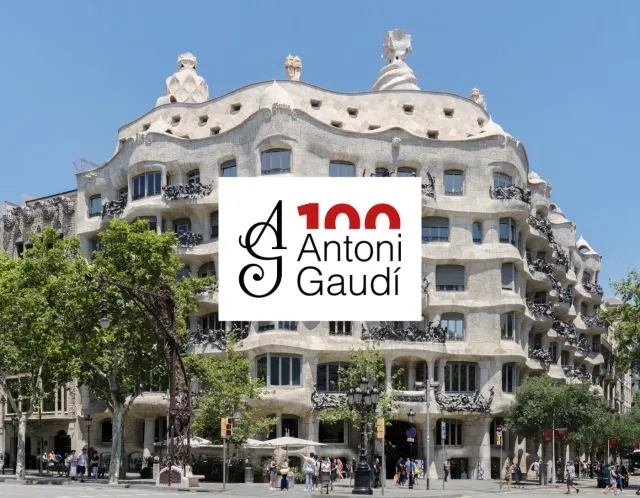


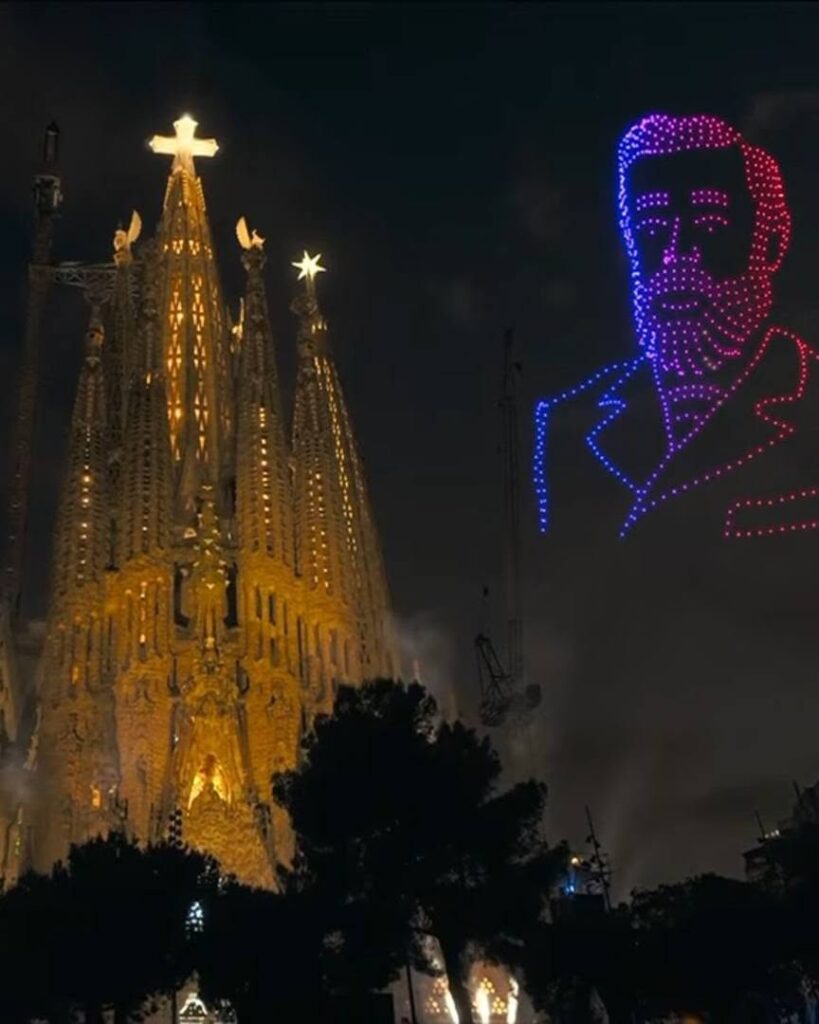
In 2026, the centenary of the death of Antoni Gaudí is commemorated, a key figure in the history of architecture and the leading exponent of Catalan Modernisme (Art Nouveau).
The Gaudí Year at La Pedrera
During the Gaudí Year, La Pedrera hosts a series of new cultural and educational proposals. This programme will be expanded and updated throughout the year.
- Visits to the La Pedrera – Casa Milà building: different types of tours to discover the work of Antoni Gaudí and its most iconic spaces.
- Family activity Gaudí File. A proposal designed to introduce the architect’s figure to the whole family through a participatory and educational approach. On 6, 20 and 24 June (sessions in Catalan).
- Cercavila de Cultura Popular. Casa Batlló, La Pedrera – Casa Milà and the Sagrada Familia come together in a popular celebration featuring various colles geganteres and traditional culture groups from Catalonia. On 14 June, arriving at La Pedrera at 11:00 am.
- Exhibition Nabis: from Bonnard to Vuillard. The first exhibition dedicated to this artistic movement in Barcelona, from 6 March to 28 June (includes exclusive access to the main apartment where Rosario Segimon and Pere Milà lived).
- Exhibition Anselm Kiefer. The first major monographic exhibition in Barcelona, and in Spain, dedicated to the German artist. It will be available from 2 October 2026 to 24 January 2027 (includes exclusive access to the main apartment where Rosario Segimon and Pere Milà lived).
- Gaudí International Congress 2026. An academic event bringing together national and international experts to explore his work in depth. On 22, 23 and 24 October.
Monographic Book
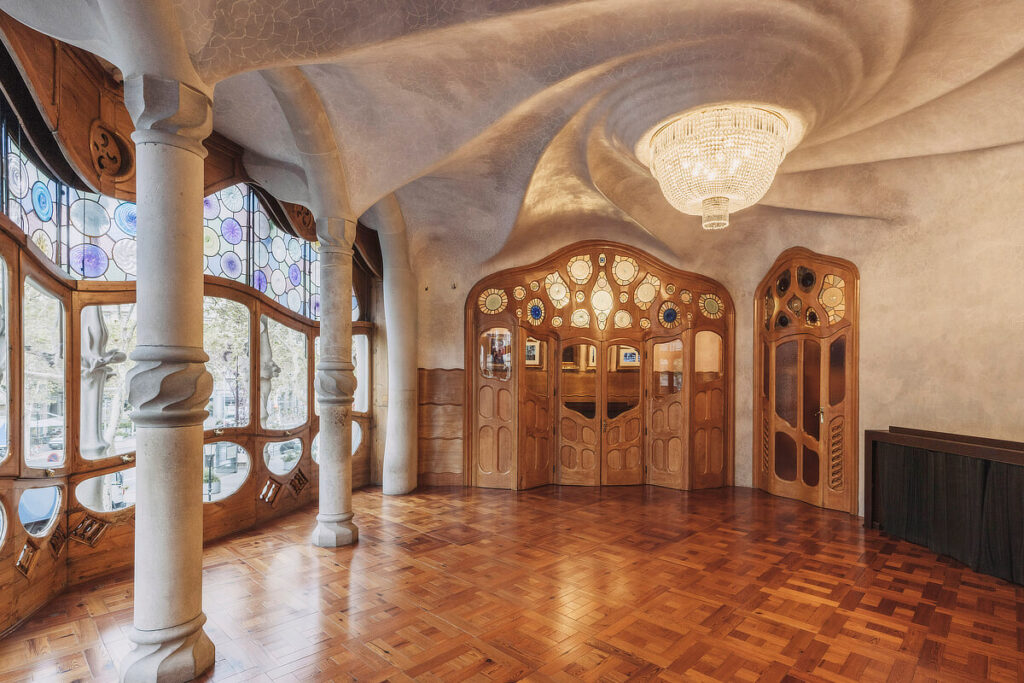
To mark Gaudí Year 2026, the Fundació Catalunya La Pedrera, together with Triangle Books, has published a monograph on La Pedrera – Casa Milà. The book features contributions from leading specialists who analyse the building from different perspectives:
- Lluís Permanyer reviews Gaudí’s career.
- Daniel Giralt-Miracle places the architect within the Barcelona of his time.
- Carlos Flores provides an architectural analysis.
- Josep Maria Huertas offers a social perspective on the building.
- Galdric Santana reveals previously unknown aspects of the ceilings.
- David Ferrer highlights the design, especially the wrought ironwork.
The texts are accompanied by historical and previously unpublished images, a photographic selection by Pere Vivas and an illustrated chronology featuring the building’s key moments. Altogether, the publication shows that Gaudí reached his artistic maturity with La Pedrera, a work of remarkable uniqueness and value.
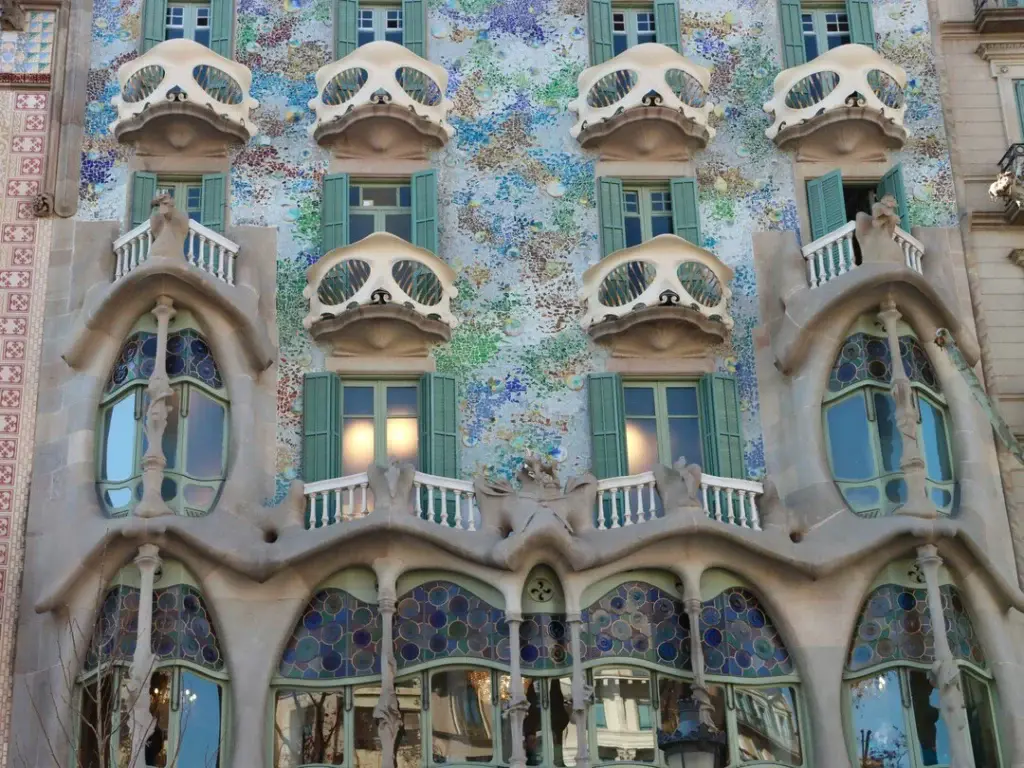
100 years since the death of Antoni Gaudí
Gaudí Year offers the opportunity to rediscover the work of an essential architect who, a century later, continues to raise questions, generate research and fuel debate both within and beyond academic circles.
Gaudí developed a distinct architectural language, free from prevailing fashions and established rules. Organic forms, the structural use of geometry, the importance of light, and the incorporation of materials such as wrought iron and ceramic trencadís gave rise to a body of work of extraordinary originality, deeply connected to nature, science, religion and culture. Since 2005, his work as a whole has been recognised as a UNESCO World Heritage Site.
The architect died in 1926 in Barcelona after being struck by a tram, while still overseeing the construction of the Sagrada Família. His sudden death left projects unfinished, but also a living body of work that continues to engage with the present.
Gaudí in Barcelona, a landscape of connected works
Gaudí’s contribution to shaping Barcelona’s architectural landscape is immeasurable. His work has turned the city into an international benchmark for creativity and architecture, forming a coherent ensemble that reveals the evolution of his thinking over time.
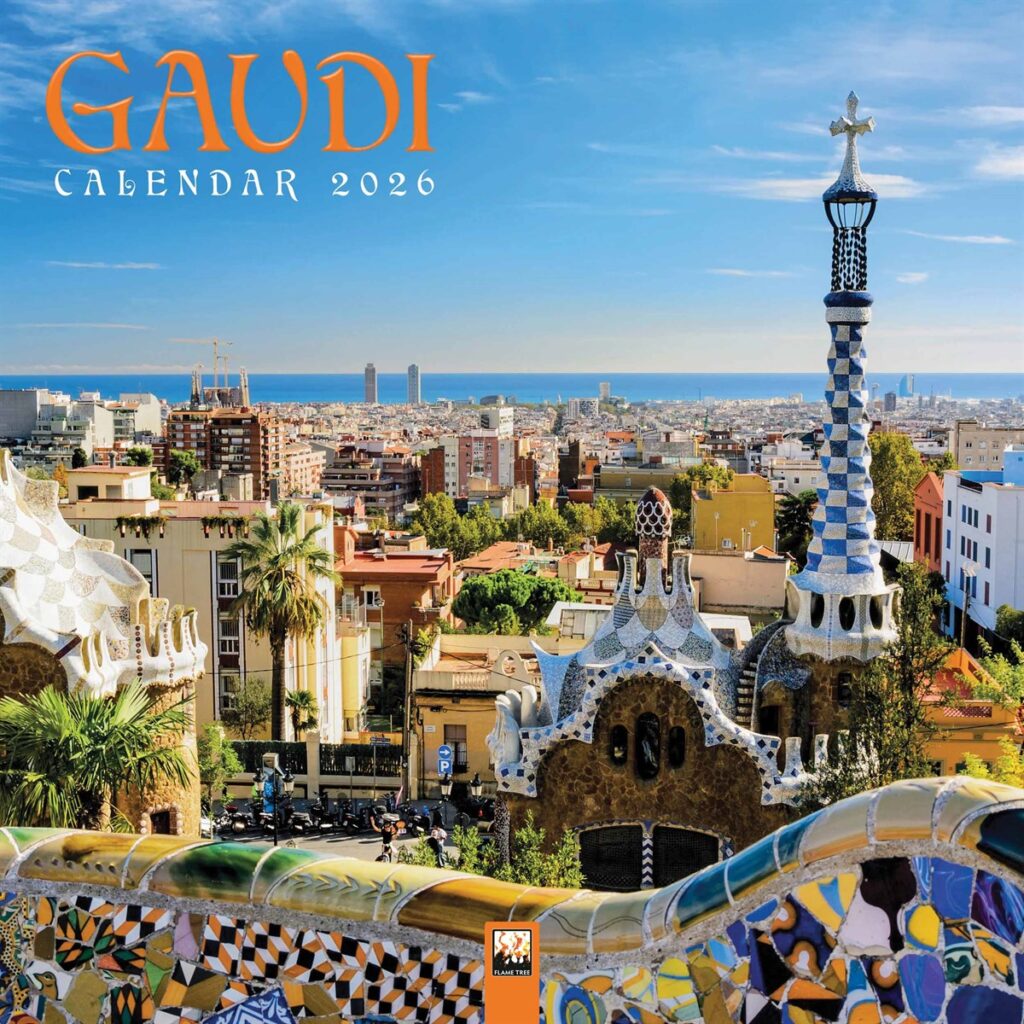
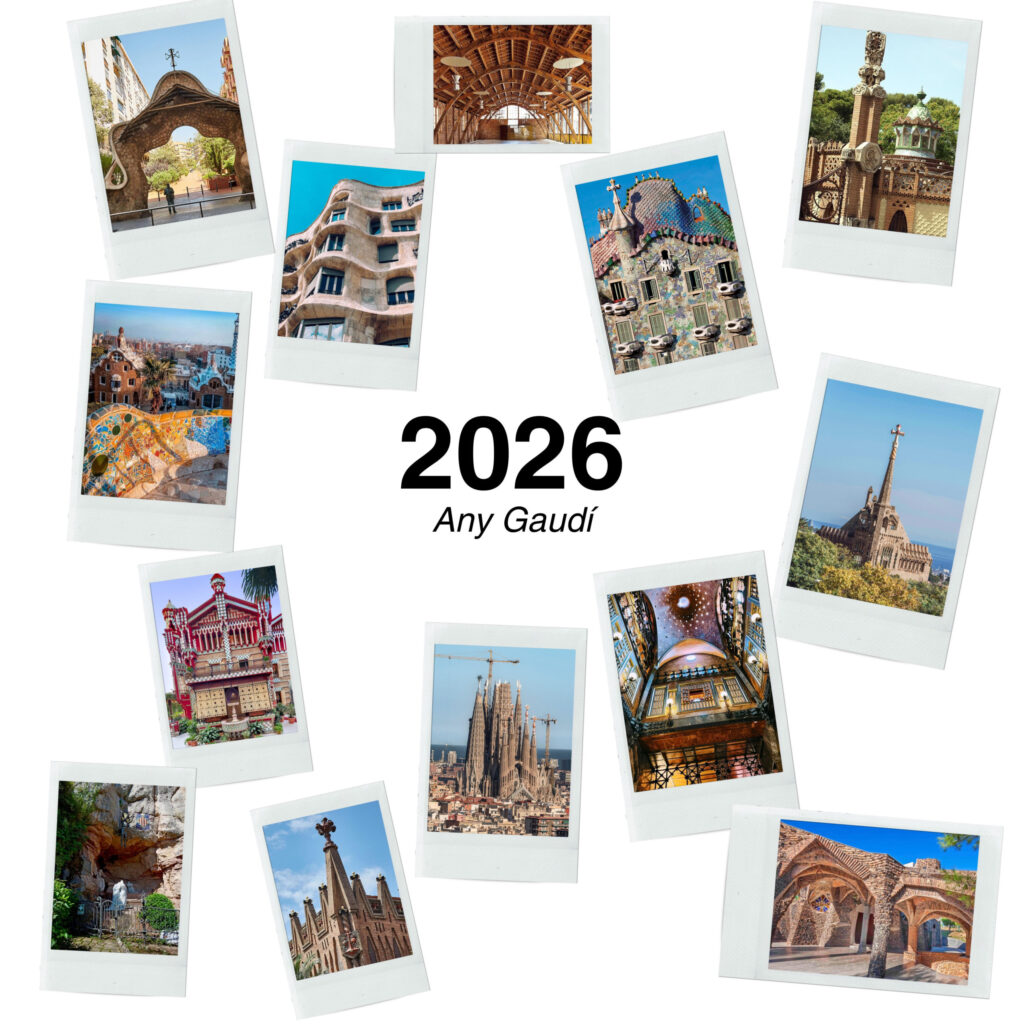
Today, the following works by the architect can be seen in Barcelona:
- La Pedrera – Casa Milà: his last civil work and a mature synthesis of his creative universe, located on Passeig de Gràcia.
- Sagrada Família: Gaudí’s most ambitious project, to which he devoted the final years of his life. In 2026, the Tower of Jesus Christ, the tallest in the basilica, has been completed.
- Park Güell: an urban project that integrates architecture and nature within a monumental park. Its centenary is also commemorated in 2026.
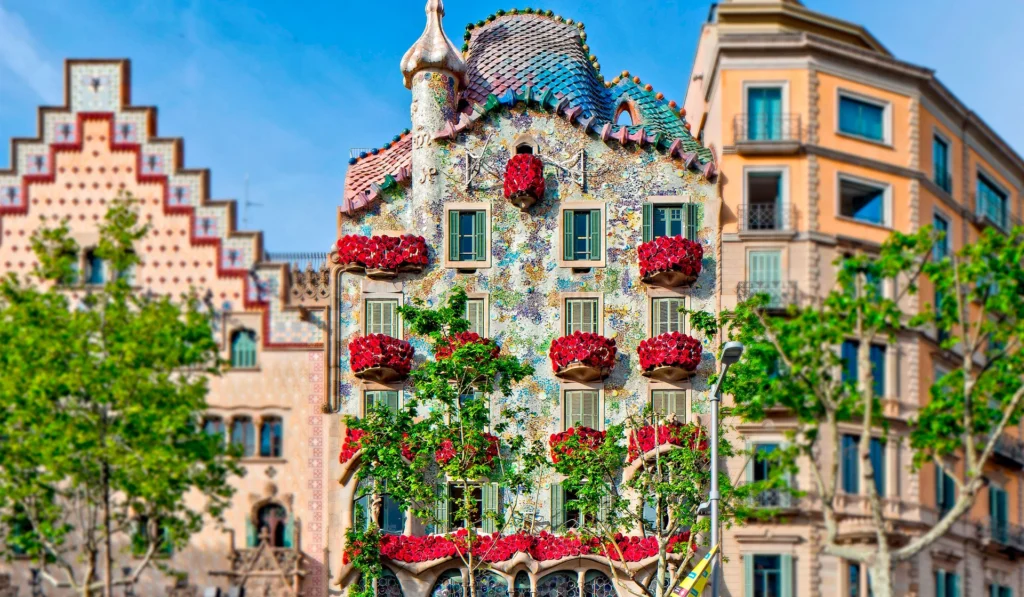
- Casa Batlló: the complete renovation of a bourgeois building on Passeig de Gràcia, featuring a façade and inner courtyard that explore colour, light and movement.
- Casa Vicens: Gaudí’s first major work, where many of the formal and constructive ideas that would define his career are already present.
- Palau Güell: an urban residence for the Güell family and a remarkable example of functionality and symbolism, with highly advanced technical solutions for its time.
Other buildings such as Casa Calvet, Col·legi Teresià, Torre Bellesguard, the Pavilions of the Güell Estate and the Gate and Fence of the Miralles Estate complete this Gaudí map. As part of Gaudí Year, some of these sites will offer special openings and visits.
A Gaudí Year open to all
The centenary of Gaudí’s death will be commemorated through exhibitions, conferences and cultural programmes in Barcelona and across Catalonia. Gaudí Year 2026 is conceived as an opportunity to revisit his life and work from new perspectives and to highlight its continued relevance a century later.
One of the central aims of Gaudí Year is to explore his work through a rigorous scientific approach, going beyond purely interpretative or symbolic readings. The objective is to expand knowledge of his architectural genius and to understand it in all its complexity.
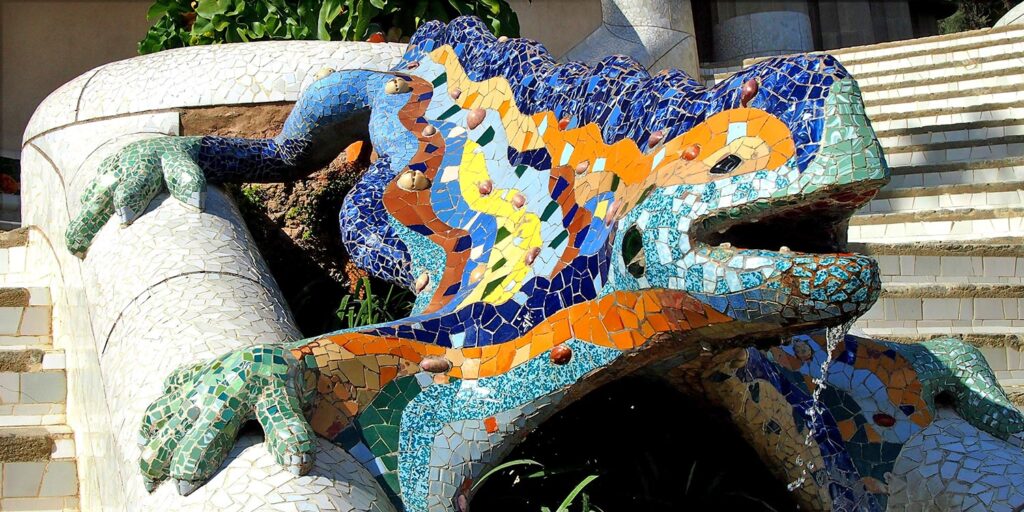
At the same time, Gaudí Year seeks to bring the figure of the architect closer to all audiences, addressing its artistic, scientific and educational dimensions. It also aims to reconnect Gaudí with local audiences, moving beyond the perception of his works as purely tourist icons. Gaudí is a universal heritage figure, but he also belongs to Barcelona and remains an integral part of its contemporary cultural life.
https://www.lapedrera.com/en/gaudi-year


Leave a Reply